Why Am I Always Bloated? 12 Common Causes Explained
Do you feel bloated almost every day? Does your stomach seem to swell after meals, make your clothes feel tighter, or leave you feeling uncomfortable for hours?
If so, you're not alone. Bloating is one of the most common digestive complaints worldwide and one of the most frequent reasons people seek help from a functional medicine practitioner. While occasional bloating after a large meal is common, feeling bloated every day is not considered normal.
Many people are told that bloating is simply part of getting older, that they have IBS, or that they should just avoid certain foods. While those suggestions may provide temporary relief, they often fail to answer the most important question:
Why are you bloated in the first place?
At O'Keefe Matz Functional Health Clinic, we view bloating as a symptom rather than a diagnosis. Our goal is not simply to suppress symptoms. We want to identify and address the underlying cause so you can experience lasting improvement.
What Is Bloating?
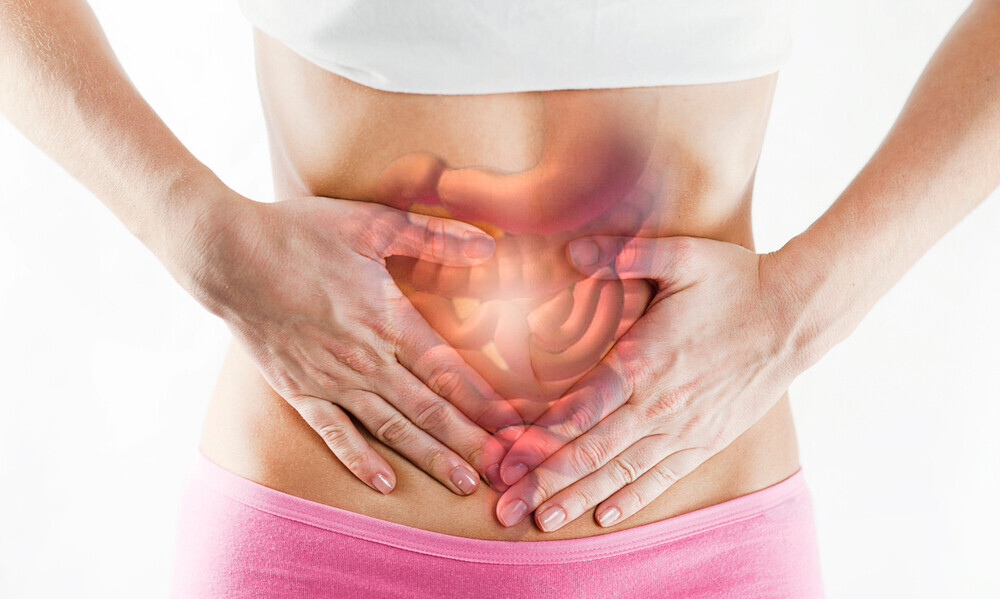
Bloating is the sensation of fullness, pressure, or swelling in the abdomen. Some people experience visible abdominal distention, while others simply feel uncomfortably full. Bloating may occur after meals, later in the day, or even first thing in the morning.
It is often accompanied by:
- Gas
- Burping
- Abdominal discomfort
- Constipation
- Diarrhea
- Feeling full quickly
- Brain fog
- Fatigue
According to the National Institute of Diabetes and Digestive and Kidney Diseases (NIDDK), bloating is commonly associated with digestive disorders but may also be influenced by diet, gut bacteria, stress, hormones, and certain medical conditions.
What Causes Chronic Bloating?
There isn't one single cause. In many patients, several factors are occurring at the same time.
Here are twelve of the most common.
1. Food Sensitivities
Unlike food allergies, food sensitivities may take hours or even days to produce symptoms, making them difficult to recognize.
Common triggers include:
- Dairy
- Gluten
- Eggs
- Soy
- Corn
- Artificial sweeteners
- Highly processed foods
Simply eliminating foods without understanding why your body is reacting may only provide temporary relief.
2. Small Intestinal Bacterial Overgrowth (SIBO)
SIBO occurs when excessive bacteria grow in the small intestine, where they ferment carbohydrates before they are fully digested.
Common symptoms include:
- Bloating shortly after meals
- Excessive gas
- Burping
- Diarrhea
- Constipation
- Brain fog
Many functional medicine practitioners use breath testing when SIBO is suspected.
The American Gastroenterological Association and the Cleveland Clinic both provide excellent patient information on SIBO.
https://my.clevelandclinic.org
3. Poor Gut Microbiome Balance
Your digestive tract contains trillions of bacteria that help digest food, regulate inflammation, produce vitamins, and communicate with your immune system.
When that balance changes, symptoms such as bloating, gas, fatigue, and irregular bowel movements often develop.
Researchers now recognize the gut microbiome as one of the most important contributors to overall health.
4. Constipation
Many people believe they are not constipated because they have a bowel movement every day.
However, incomplete emptying or slow intestinal transit can allow stool and gas to accumulate, leading to chronic bloating.
Healthy bowel function should be regular, complete, and comfortable.
5. Low Stomach Acid
Contrary to popular belief, many adults actually produce too little stomach acid rather than too much.
Low stomach acid can interfere with protein digestion, mineral absorption, and the body's ability to defend against unwanted bacteria.
This may increase fermentation within the digestive tract and contribute to bloating.
6. Digestive Enzyme Deficiency
Digestive enzymes break food into nutrients your body can absorb.
Without enough digestive enzymes, carbohydrates, fats, and proteins remain partially digested, allowing intestinal bacteria to ferment them and produce gas.
7. Hormonal Changes
Many women notice bloating during:
- Menstrual cycles
- Perimenopause
- Menopause
Hormones influence intestinal movement, water retention, and inflammation, all of which may contribute to bloating.
8. Chronic Stress
Stress affects far more than your mind.
The digestive system and the brain communicate continuously through what scientists call the gut brain axis.
When the nervous system remains in a chronic "fight or flight" state, digestion often slows, stomach acid production changes, intestinal permeability may increase, and the gut microbiome can become disrupted.
The relationship between stress and digestive symptoms is now well established in medical research.
9. Chronic Inflammation
Inflammation within the digestive tract may interfere with normal digestion and nutrient absorption.
Potential contributors include:
- Food sensitivities
- Infections
- Gut dysbiosis
- Autoimmune disease
- Inflammatory bowel disease
Reducing inflammation often requires identifying the underlying trigger rather than simply treating symptoms.
10. Irritable Bowel Syndrome (IBS)
IBS affects millions of Americans.
Symptoms commonly include:
- Bloating
- Abdominal pain
- Constipation
- Diarrhea
- Changes in bowel habits
IBS is considered a diagnosis based on symptoms. Functional medicine often looks deeper to identify possible contributors such as SIBO, food sensitivities, microbiome imbalance, chronic stress, or inflammation.
11. Eating Habits
Sometimes the problem is not what you eat but how you eat.
Eating quickly, talking while eating, drinking carbonated beverages, or consuming very large meals can increase swallowed air and contribute to bloating.
Simple lifestyle changes can sometimes make a significant difference.
12. Underlying Medical Conditions
Persistent bloating may occasionally signal more serious health concerns, including:
- Celiac disease
- Gallbladder disease
- Pancreatic insufficiency
- Ovarian disorders
- Liver disease
- Certain gastrointestinal conditions
If bloating is severe or accompanied by unexplained weight loss, blood in the stool, persistent vomiting, difficulty swallowing, fever, or severe abdominal pain, prompt medical evaluation is recommended.
Why Functional Medicine Looks Beyond the Symptoms
Many conventional treatments focus on reducing bloating itself.
Functional medicine asks a different question.
What is causing the bloating?
Instead of applying the same treatment to everyone, a functional medicine evaluation considers multiple body systems that influence digestion.
These may include:
- Gut microbiome balance
- SIBO
- Food sensitivities
- Nutrient deficiencies
- Chronic inflammation
- Thyroid function
- Blood sugar regulation
- Hormone balance
- Stress physiology
- Medication history
- Lifestyle habits
This systems based approach was pioneered by leaders such as Dr. Jeffrey Bland, often referred to as the father of functional medicine, and continues through organizations including the Institute for Functional Medicine (IFM).
Helpful resources include:
Many patients are also familiar with the educational work of Dr. Mark Hyman, who has helped bring functional medicine into mainstream healthcare through books, podcasts, and clinical education.
Advanced Testing May Help Identify the Root Cause
Every patient is different, but testing may include:
- Comprehensive blood chemistry
- Iron studies
- Vitamin B12
- Vitamin D
- Comprehensive thyroid evaluation
- Celiac screening
- Stool analysis
- SIBO breath testing
- Organic acid testing when appropriate
- Food sensitivity testing when clinically indicated
Testing is selected based on your symptoms, history, and examination rather than using a one size fits all approach.
Five Things You Can Start Doing Today
- Slow down while eating and chew thoroughly.
- Take a ten minute walk after meals.
- Drink adequate water throughout the day.
- Keep a food and symptom journal.
- Prioritize quality sleep and stress management.
These simple habits may reduce bloating while you work to identify the underlying cause.
You Do Not Have to Live With Chronic Bloating
Feeling bloated every day is not something you should simply accept.
Your body is sending you important information.
Whether the cause is SIBO, food sensitivities, gut microbiome imbalance, thyroid dysfunction, chronic inflammation, hormone changes, or another underlying issue, identifying the root cause is the first step toward lasting improvement.
At O'Keefe Matz Functional Health Clinic in Saint Paul, Minnesota, Dr. Shannon O'Keefe takes a comprehensive functional medicine approach to digestive health. Rather than simply treating symptoms, the goal is to understand why those symptoms developed and create a personalized plan that supports long term healing.
If you've been living with chronic bloating, digestive discomfort, fatigue, or other unexplained symptoms, we invite you to schedule a consultation and begin looking for answers.
Frequently Asked Questions
Is it normal to feel bloated every day?
No. Occasional bloating is common, but persistent bloating usually indicates that something in the digestive system deserves further evaluation.
Can stress really cause bloating?
Yes. Research has shown that chronic stress can alter digestion, affect the gut microbiome, and change how the intestines function through the gut brain axis.
Are probiotics always the answer?
Not necessarily. Some people improve with probiotics, while others, especially those with SIBO, may temporarily feel worse. The best approach depends on the underlying cause.
What is the difference between IBS and SIBO?
IBS is a syndrome based on symptoms. SIBO is a specific condition involving excessive bacteria in the small intestine. Many people diagnosed with IBS are later found to have SIBO.
When should I seek medical care?
Seek prompt medical evaluation if bloating is accompanied by severe pain, unexplained weight loss, blood in the stool, persistent vomiting, fever, or difficulty swallowing.
Research and Additional Reading
National Institute of Diabetes and Digestive and Kidney Diseases
https://www.niddk.nih.gov
American Gastroenterological Association
https://gastro.org
Institute for Functional Medicine
https://www.ifm.org
Cleveland Clinic Digestive Disease Center
https://my.clevelandclinic.org
PubMed Database for Medical Research
https://pubmed.ncbi.nlm.nih.gov
Why Patients Choose O'Keefe Matz Functional Health Clinic
Living with chronic bloating can be frustrating, especially when you've been told that your lab work is "normal" or that you simply have to live with it. At O'Keefe Matz Functional Health Clinic in Saint Paul, Minnesota, we believe persistent digestive symptoms deserve a thorough investigation, not just another medication or a list of foods to avoid.
Dr. Shannon O'Keefe is a Board Certified Clinical Nutritionist and Functional Medicine practitioner with nearly four decades of clinical experience helping people uncover the underlying causes of complex chronic health conditions. She has advanced training in functional medicine and specializes in gastrointestinal disorders, thyroid disease, Hashimoto's thyroiditis, autoimmune conditions, hormone imbalances, chronic fatigue, and other health challenges that often have multiple contributing factors.
Rather than focusing on a diagnosis alone, Dr. O'Keefe takes a scientific, evidence informed approach to understanding how your body's systems work together. She carefully reviews your health history, symptoms, previous testing, lifestyle, nutrition, and, when appropriate, recommends advanced laboratory testing to identify the factors that may be contributing to your symptoms.
One of the things that makes our clinic different is the amount of time we spend with our patients. We intentionally maintain a boutique style practice so you receive personalized, one on one care directly from your doctor. You are never rushed through an appointment or handed off to someone else. Dr. O'Keefe works closely with you throughout your care, helping you understand your results, adjusting your treatment plan as your body responds, and partnering with you every step of the way.
Healing chronic digestive problems rarely happens overnight. It requires listening, investigation, follow through, and a willingness to keep searching for answers when others have stopped looking. That commitment is at the heart of everything we do.
If you've been struggling with chronic bloating, digestive discomfort, fatigue, or other unexplained symptoms, we'd be honored to help you find the answers you've been searching for.
Schedule your complimentary 15 minute Functional Medicine phone consultation with Dr. Shannon O'Keefe today and take the first step toward understanding the root cause of your symptoms.



About the Author
Dr. Shannon O'Keefe, DC, DCBCN,
is a Board Certified Clinical Nutritionist and Functional Medicine practitioner at O'Keefe Matz Functional Health Clinic in Saint Paul, Minnesota. With nearly 40 years of clinical experience, she specializes in identifying the root causes of chronic health conditions through advanced laboratory testing, evidence informed functional medicine, personalized nutrition, and lifestyle medicine. Her areas of expertise include digestive disorders, thyroid disease, Hashimoto's thyroiditis, autoimmune conditions, hormone imbalances, chronic fatigue, osteoporosis, and other complex chronic illnesses. Dr. O'Keefe is committed to providing personalized, one on one care and helping patients achieve lasting improvements in their health through a comprehensive, science based approach.
